Introduction
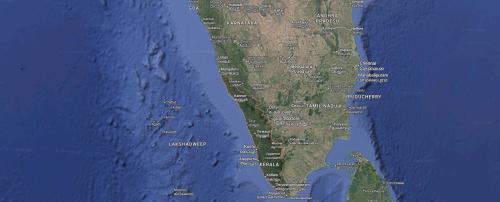
Kerala, blessed with diverse ecosystems ranging from the Western Ghats mountains to coastal wetlands and tropical forests, hosts an incredible array of avian species. The state's numerous bird sanctuaries provide safe havens for resident and migratory birds, offering birdwatchers and nature enthusiasts unparalleled opportunities to observe rare and exotic species in their natural habitats.
This comprehensive guide explores Kerala's famous bird sanctuaries, detailing the species you can spot, best visiting times, photography tips, and practical information to help you plan your birdwatching adventure in God's Own Country. Whether you're a serious ornithologist or a casual nature lover, Kerala's bird sanctuaries promise unforgettable experiences.
Why Kerala is a Birdwatcher's Paradise
Kerala's strategic location along the Western Ghats biodiversity hotspot, combined with its varied geography encompassing mountains, forests, backwaters, and coastline, creates ideal habitats for over 500 bird species. The state serves as a crucial wintering ground for migratory birds from Europe, Central Asia, and the Himalayas, particularly during October to March.
The Western Ghats, a UNESCO World Heritage Site, hosts numerous endemic species found nowhere else on Earth. Kerala's commitment to conservation, with well-maintained sanctuaries and protected areas, ensures these avian treasures continue thriving for future generations to appreciate.
1. Thattekkad Bird Sanctuary - The Richest Bird Habitat in India
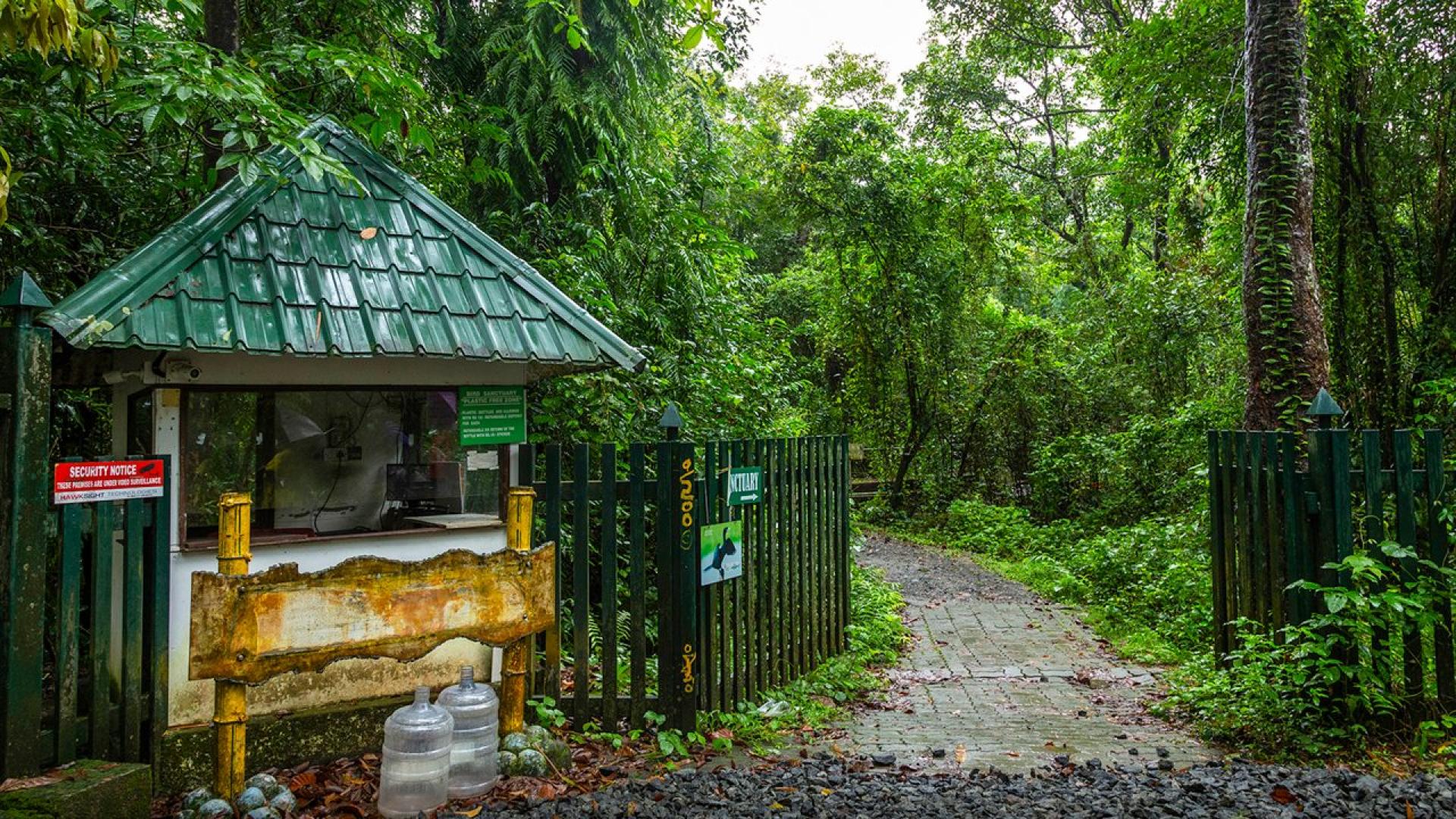
Located in Ernakulam district along the banks of the Periyar River, Thattekkad Bird Sanctuary earned its reputation as India's richest bird habitat from renowned ornithologist Dr. Salim Ali. Covering 25 square kilometers of tropical evergreen and deciduous forests, this sanctuary hosts over 320 bird species, making it an absolute must-visit for serious birdwatchers.
Notable Species at Thattekkad
- Endemic Species: Malabar Grey Hornbill, Malabar Parakeet, Ceylon Frogmouth, Sri Lanka Frogmouth
- Resident Birds: Oriental Darter, Indian Pitta, Rose-billed Roller, White-bellied Treepie
- Raptors: Crested Serpent Eagle, Changeable Hawk-Eagle, Black Baza
- Water Birds: Little Cormorant, Purple Heron, Common Kingfisher
- Woodpeckers: Heart-spotted Woodpecker, White-bellied Woodpecker, Black-rumped Flameback
Best Time to Visit Thattekkad
Peak Season: November to March - Migratory birds arrive, pleasant weather
Early Morning: 6:00 AM to 9:00 AM - Maximum bird activity
Evening: 4:00 PM to 6:00 PM - Second active period
How to Reach Thattekkad
- From Kochi: 65 km (2 hours via Kothamangalam)
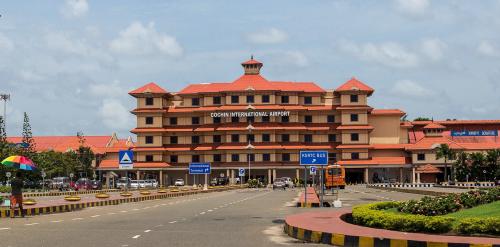
- From Cochin Airport: 50 km (1.5 hours)
- Nearest Railway Station: Kothamangalam (12 km)
Accommodation and Facilities
The sanctuary offers forest department rest houses and eco-lodges within the premises. Private resorts near the sanctuary entrance provide comfortable stays with guided birdwatching tours. Book accommodation well in advance during peak season.
2. Kumarakom Bird Sanctuary - Backwater Birding Paradise
Situated on the eastern shore of Vembanad Lake in Kottayam district, Kumarakom Bird Sanctuary spans 14 acres of reclaimed rubber plantation transformed into a bird haven. This wetland sanctuary attracts thousands of migratory birds annually, particularly waterfowl and wading birds, offering unique backwater birdwatching experiences.
Bird Species at Kumarakom
- Migratory Birds: Siberian Stork, Garganey, Pintail Duck, Spot-billed Pelican
- Herons and Egrets: Little Egret, Cattle Egret, Grey Heron, Purple Heron
- Kingfishers: White-throated Kingfisher, Common Kingfisher, Stork-billed Kingfisher
- Ducks: Lesser Whistling Duck, Cotton Pygmy Goose, Comb Duck
- Raptors: Brahminy Kite, Black Kite, Marsh Harrier
Unique Birdwatching Experience
Kumarakom offers boat-based birdwatching through the sanctuary's waterways, providing intimate views of water birds in their natural habitat. Early morning canoe rides allow silent approach to roosting and feeding birds without disturbance.
Best Visiting Period
Migratory Season: November to February - Peak waterfowl numbers
Breeding Season: June to August - Resident species nesting activity
Access Information
- From Kochi: 65 km (1.5 hours)
- From Kottayam: 16 km (30 minutes)
- Entry Fee: Nominal charges for Indians and foreigners
- Boating: Available through sanctuary and local operators
3. Thattekad Bird Sanctuary - Dr. Salim Ali's Favorite
Often confused with Thattekkad due to similar spelling, this sanctuary deserves special mention as the place where Dr. Salim Ali, India's renowned "Birdman," conducted extensive research. The dense forests along the Periyar River create perfect conditions for forest-dwelling species rarely seen elsewhere.
Special Birding Opportunities
- Night Birds: Ceylon Frogmouth, Jungle Owlet, Brown Wood Owl
- Rare Sightings: Sri Lankan Frogmouth (extremely rare), Malabar Trogon
- Forest Specialists: Indian Pitta, Fairy Bluebird, Orange-headed Thrush
4. Mangalavanam Bird Sanctuary - Urban Oasis
Located in the heart of Kochi city, Mangalavanam Bird Sanctuary represents a remarkable conservation success story. This 2.74-hectare mangrove forest sanctuary proves that urban development and wildlife conservation can coexist harmoniously.
Mangrove Bird Species
- Mangrove Specialists: Mangrove Whistler, Little Heron, Striated Heron
- Urban Adaptors: Black-crowned Night Heron, White-breasted Waterhen
- Seasonal Visitors: Whimbrel, Common Sandpiper, Wood Sandpiper
Accessibility
Located near the Kerala High Court in Kochi, this sanctuary offers easy access for city visitors. The elevated walkways through mangroves provide excellent viewing platforms without disturbing the habitat.
5. Pathiramanal Island - Lake Island Sanctuary
Situated in Vembanad Lake near Kumarakom, Pathiramanal ("Sands of Midnight") Island earned its name from legends of sudden appearance. This small island sanctuary attracts diverse water birds and serves as an important resting point for migratory species crossing the lake.
Island Birding Experience
- Access: Only by boat from Kumarakom or Alappuzha
- Best Time: Early morning boat trips
- Key Species: Pintail, Garganey, Brahminy Kite, various terns and gulls
- Photography: Excellent opportunities from boats and island shores
6. Parambikulam Tiger Reserve - Mountain Birding
While primarily known as a tiger reserve, Parambikulam in Palakkad district offers exceptional birdwatching opportunities in pristine Western Ghats forests. The reserve's varied elevation and habitat types support an impressive diversity of highland and forest species.
Highland Bird Species
- Endemic Specialties: Nilgiri Wood Pigeon, Malabar Grey Hornbill, White-bellied Treepie
- Laughingthrushes: Wynaad Laughingthrush, Grey-breasted Laughingthrush
- Barbets and Woodpeckers: Malabar Barbet, White-cheeked Barbet, Heart-spotted Woodpecker
- Raptors: Mountain Hawk-Eagle, Crested Serpent Eagle
Visitor Information
Entry requires advance online booking through the Kerala Forest Department. Guided jeep safaris and trekking programs include birdwatching opportunities. Eco-tourism centers within the reserve offer accommodation.
7. Periyar Tiger Reserve - Diverse Avifauna
Periyar Tiger Reserve in Thekkady, famous for its elephant and tiger populations, also hosts over 260 bird species across its varied habitats of tropical evergreen forests, grasslands, and lake ecosystems.
Notable Birds of Periyar
- Water Birds: Darter, Little Cormorant, Grey Heron (around Periyar Lake)
- Forest Species: Malabar Grey Hornbill, Great Pied Hornbill, Oriental Pied Hornbill
- Raptors: White-bellied Sea Eagle, Crested Goshawk, Besra
- Flycatchers: Nilgiri Flycatcher, White-bellied Blue Flycatcher
Birding Activities
Periyar offers boat cruises on Periyar Lake providing excellent opportunities for waterbird observation. Forest treks and bamboo rafting expeditions allow access to interior forest birds. Professional naturalist guides enhance the experience with their expertise.
8. Silent Valley National Park - Pristine Birding
Silent Valley National Park in Palakkad district, one of the last remaining pristine tropical evergreen forests in India, offers unparalleled birdwatching in undisturbed wilderness. The park's name derives from the conspicuous absence of cicadas, creating an eerily quiet atmosphere.
Rare and Endemic Species
- Hornbills: Great Hornbill, Malabar Grey Hornbill, Malabar Pied Hornbill
- Western Ghats Endemics: Nilgiri Wood Pigeon, Nilgiri Flycatcher, Crimson-backed Sunbird
- Threatened Species: Rufous-bellied Eagle, Broad-tailed Grass Warbler
Access and Regulations
Strict regulations protect this pristine ecosystem. Visitors require permission from the Forest Department. Guided tours ensure minimal environmental impact while maximizing wildlife viewing opportunities.
9. Wayanad Wildlife Sanctuary - North Kerala Birding
Wayanad Wildlife Sanctuary, part of the Nilgiri Biosphere Reserve, encompasses diverse habitats from dense forests to open grasslands, supporting a rich variety of bird species across different ecological niches.
Key Bird Species
- Jungle Fowl: Grey Jungle Fowl, Red Spur Fowl
- Peafowl: Indian Peafowl (common in grasslands)
- Woodpeckers: Greater Flameback, Lesser Flameback, Rufous Woodpecker
- Babblers: Tawny-bellied Babbler, Dark-fronted Babbler
10. Kadalundi Bird Sanctuary - Coastal Wetland Haven
Located in Kozhikode district where the Kadalundi River meets the Arabian Sea, this sanctuary comprises a cluster of small islands formed by river distributaries. The sanctuary's unique estuarine ecosystem attracts diverse migratory and resident bird species.
Coastal and Wetland Birds
- Migratory Waders: Whimbrel, Common Redshank, Marsh Sandpiper, Curlew Sandpiper
- Terns: Common Tern, Little Tern, Whiskered Tern, Gull-billed Tern
- Gulls: Black-headed Gull, Brown-headed Gull
- Herons: Indian Pond Heron, Little Heron, Intermediate Egret
Birdwatching Season
Peak Migration: November to April - Thousands of migratory birds
Access: Observation towers and walkways along the river
Endemic Birds of Kerala
Kerala's Western Ghats region hosts several endemic species found nowhere else on Earth. Spotting these rare birds represents the ultimate achievement for serious birdwatchers visiting the state.
Must-See Endemic Species
- Malabar Grey Hornbill: Found in forest sanctuaries, distinctive grey plumage
- Malabar Parakeet: Blue-gray plumage, endemic to Western Ghats
- Nilgiri Wood Pigeon: High-altitude forests, metallic green-blue plumage
- Malabar Whistling Thrush: Rocky streams, melodious calls
- Crimson-backed Sunbird: Males with brilliant crimson back
- White-bellied Treepie: Long-tailed corvid, forest dweller
Migratory Birds in Kerala
Kerala serves as a crucial wintering ground for numerous migratory species escaping harsh northern winters. The arrival of these long-distance travelers marks the beginning of the prime birdwatching season.
Major Migratory Species
- From Europe and Central Asia: Garganey, Pintail, Common Teal
- Raptors: Montagu's Harrier, Pallid Harrier, Peregrine Falcon
- Waders: Curlew, Whimbrel, Sandpipers (various species)
- Gulls and Terns: Brown-headed Gull, River Tern, Common Tern
Migration Timeline
October-November: Arrival of early migrants
December-February: Peak numbers, best viewing period
March-April: Departure begins, breeding plumage visible
Best Birdwatching Seasons in Kerala
Winter Season (November to February)
Advantages:
- Migratory birds at peak numbers
- Pleasant weather for outdoor activities
- Clear skies for photography
- Reduced insect activity
- Easier forest access due to dry conditions
Monsoon Season (June to September)
Advantages:
- Resident bird breeding activity
- Lush green landscapes
- Active bird vocalizations (territorial calls)
- Fewer tourists, peaceful observation
- Waterfalls and streams at full flow
Summer Season (March to May)
Advantages:
- Late migratory species in breeding plumage
- Water sources concentrate birds
- Hill station sanctuaries offer pleasant temperatures
- Good for highland species observation
Essential Birdwatching Equipment
Optics
- Binoculars: 8x42 or 10x42 magnification recommended
- Spotting Scope: For distant waterbirds (optional but helpful)
- Lens Cleaning Kit: Essential in humid Kerala climate
Documentation Tools
- Field Guide: "Birds of Kerala" by Praveen J., Palot, and Karuthedathu
- Camera: DSLR with 300mm+ lens for photography
- Notebook: For recording sightings and behavior observations
- Mobile Apps: Merlin Bird ID, eBird for species identification and logging
Field Gear
- Clothing: Neutral-colored, comfortable walking clothes
- Footwear: Waterproof hiking boots for forest trails
- Hat and Sunscreen: Protection from tropical sun
- Rain Gear: Lightweight waterproof jacket
- Insect Repellent: Essential for forest sanctuaries
- Water Bottle: Stay hydrated during observation sessions
Birdwatching Photography Tips
Camera Settings for Bird Photography
- Shutter Speed: Minimum 1/500s for perched birds, 1/2000s+ for flight shots
- Aperture: f/5.6 to f/8 for sharp focus with background blur
- ISO: Auto ISO with maximum 3200 for forest conditions
- Focus Mode: Continuous AF for moving subjects
- Burst Mode: Capture action sequences
Best Photography Times
- Golden Hour: First hour after sunrise, last hour before sunset
- Overcast Days: Soft light reduces harsh shadows
- Avoid Midday: Harsh overhead light creates unflattering shadows
Ethical Photography Guidelines
- Maintain safe distance - never disturb birds for better shots
- Avoid flash photography near nests or roosting birds
- Respect sanctuary rules and restricted areas
- Do not use playback calls to attract birds (illegal in many sanctuaries)
- Share bird locations responsibly to prevent overcrowding
Guided Birdwatching Tours vs Independent Birding
Benefits of Guided Tours
- Expert Knowledge: Local guides know bird hotspots and behavior
- Species Identification: Help with difficult-to-identify species
- Access: Some areas require accompanied entry
- Learning Opportunity: Understand ecology and conservation
- Safety: Navigate unfamiliar terrain safely
Independent Birding Advantages
- Flexibility: Set your own pace and schedule
- Cost-Effective: Lower expenses for experienced birders
- Personal Experience: Joy of self-discovery
- Extended Sessions: Spend as long as desired at productive spots
Recommended Tour Operators
Several specialized birdwatching tour companies operate in Kerala, offering customized itineraries for different skill levels. Kerala Tour India can arrange expert-guided birdwatching expeditions to multiple sanctuaries with experienced naturalists.
Accommodation Near Bird Sanctuaries
Forest Department Rest Houses
Most sanctuaries offer basic forest department accommodations within or near sanctuary premises. Book well in advance through the Kerala Forest Department website or local range offices.
Eco-Lodges and Nature Resorts
Private eco-lodges near sanctuaries provide comfortable stays with nature-focused amenities. Many offer guided early morning birding walks, packed breakfasts, and experienced naturalist staff.
Budget Options
Towns near sanctuaries have budget hotels and homestays. While farther from prime birding areas, these options suit cost-conscious travelers willing to commute for dawn sessions.
Conservation Challenges and Efforts
Threats to Bird Populations
- Habitat Loss: Development pressure on forest and wetland areas
- Pollution: Water pollution affecting wetland species
- Climate Change: Altering migration patterns and breeding cycles
- Human Disturbance: Increased tourism without proper management
- Invasive Species: Competition from introduced plants and animals
Conservation Initiatives
- Community Participation: Local communities engaged in protection efforts
- Habitat Restoration: Wetland restoration and reforestation programs
- Research and Monitoring: Regular bird surveys and population studies
- Eco-Tourism: Sustainable tourism generating conservation funds
- Education Programs: School and community awareness initiatives
Birdwatching Etiquette and Responsible Tourism
Code of Conduct for Birdwatchers
- Minimize Disturbance: Observe from respectful distances
- Stay on Trails: Protect ground-nesting birds and habitat
- Quiet Observation: Keep voices low, avoid sudden movements
- No Littering: Carry out all waste, leave no trace
- Respect Closures: Honor breeding season restrictions and closed areas
- Report Sightings: Share rare bird observations with authorities and eBird
- Support Conservation: Pay entry fees, buy from local communities
Creating Your Kerala Birding Itinerary
5-Day Central Kerala Birding Circuit
Day 1: Arrive Kochi, Mangalavanam Bird Sanctuary (urban birding)
Day 2: Thattekkad Bird Sanctuary (full day forest birding)
Day 3: Transfer to Kumarakom, afternoon boat birding
Day 4: Kumarakom Bird Sanctuary morning, Pathiramanal Island afternoon
Day 5: Morning birding, depart from Kochi
7-Day Comprehensive Kerala Birding Tour
Day 1-2: Thattekkad Bird Sanctuary (forest species)
Day 3: Transfer to Thekkady, Periyar Tiger Reserve birding
Day 4: Periyar boat cruise and forest trails
Day 5: Transfer to Kumarakom, wetland birding
Day 6: Pathiramanal Island and Vembanad Lake
Day 7: Kadalundi Bird Sanctuary, depart from Calicut
10-Day Western Ghats Endemic Birding Expedition
This specialized itinerary focuses on endemic Western Ghats species, visiting highland sanctuaries including Parambikulam, Silent Valley, Wayanad, and Periyar. Best undertaken with expert guides November through March.
Bird Festivals and Events
Great Backyard Bird Count (February)
Global citizen science event where Kerala birders contribute to worldwide bird population data. Participate through eBird mobile app at any sanctuary or birding location.
Thattekkad Bird Festival (November/December)
Annual birding festival at Thattekkad featuring expert-led walks, photography workshops, and conservation talks. Attracts birders from across India and internationally.
Kumarakom Bird Sanctuary Bird Race
Competitive birdwatching event where teams race to identify maximum species within set time. Fun introduction to birding for beginners, serious competition for experts.
Health and Safety Considerations
Common Health Concerns
- Mosquitoes: Use repellent, consider anti-malarial medication for forest areas
- Leeches: Monsoon forest birding - wear leech-proof socks
- Sun Exposure: Tropical sun is intense - use sunscreen and hats
- Dehydration: Carry sufficient water, especially in forest sanctuaries
- First Aid: Basic kit for minor cuts, insect bites, allergies
Safety in Wilderness Areas
- Inform others of birding plans and expected return time
- Never bird alone in remote areas - use guides or go with partners
- Beware of wildlife - maintain safe distances from elephants, bison
- Check weather forecasts - avoid forests during heavy rain
- Carry charged mobile phone (though coverage may be limited)
- Know emergency contact numbers for nearest forest office and hospital
Combining Birding with Kerala Tourism
Kerala's bird sanctuaries integrate perfectly with broader tourism experiences. Many sanctuaries are located near popular tourist destinations, allowing visitors to combine birdwatching with cultural experiences, backwater cruises, or beach relaxation.
Integrated Experiences
- Backwater Birding: Combine Kumarakom birding with houseboat stays
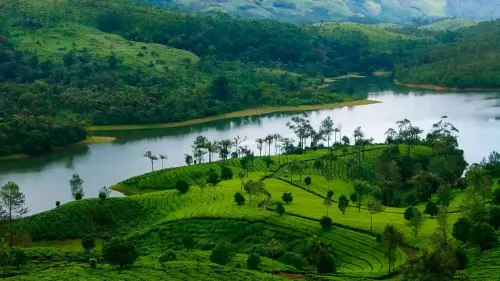
- Hill Station + Birding: Munnar tea estates with nearby forest sanctuaries
- Wildlife Safari: Tiger/elephant spotting alongside birding in Periyar
- Cultural + Nature: Temple visits and traditional performances near sanctuaries
- Beach + Birding: Coastal sanctuaries near beach destinations
Frequently Asked Questions
Which is the best bird sanctuary in Kerala?
Thattekkad Bird Sanctuary is widely considered Kerala's premier birding destination, hosting over 320 species and earning recognition from Dr. Salim Ali as India's richest bird habitat. However, "best" depends on interests - Kumarakom excels for waterbirds, while Parambikulam and Silent Valley are unmatched for Western Ghats endemics.
When is the best time for birdwatching in Kerala?
November to March is the optimal period for birdwatching in Kerala. This window coincides with the arrival of migratory species from Europe, Central Asia, and the Himalayas, combined with pleasant weather and minimal rainfall. Resident bird activity also peaks during this period with breeding behaviors visible.
Can beginners enjoy birdwatching in Kerala sanctuaries?
Absolutely! Kerala's bird sanctuaries welcome beginners with easy trails, observation towers, and abundant bird activity. Starting at accessible locations like Kumarakom or Mangalavanam builds confidence before tackling more challenging forest sanctuaries. Hiring local guides helps beginners identify species and understand bird behavior.
How many bird species are found in Kerala?
Kerala hosts over 500 bird species, representing about 40% of all bird species recorded in India. This impressive diversity includes approximately 16 endemic species found only in the Western Ghats region, along with numerous resident and migratory species across varied habitats from coast to mountains.
Do I need permits to visit Kerala bird sanctuaries?
Most bird sanctuaries require nominal entry fees but no special permits for daytime visits. However, some protected areas like Silent Valley and Parambikulam Tiger Reserve require advance online booking through the Kerala Forest Department. Overnight stays in forest rest houses need prior permission and booking.
What equipment do I need for birdwatching in Kerala?
Essential equipment includes quality binoculars (8x42 or 10x42 magnification), a field guide to Indian birds, comfortable walking shoes, and neutral-colored clothing. Additional useful items include a camera with telephoto lens, notebook for observations, insect repellent, sunscreen, and a hat. The humid tropical climate requires weather-resistant equipment.
Are there any endemic birds unique to Kerala?
Kerala shares 16 Western Ghats endemic bird species including the Malabar Grey Hornbill, Malabar Parakeet, Nilgiri Wood Pigeon, Crimson-backed Sunbird, White-bellied Treepie, and Malabar Whistling Thrush. These species are found only in the Western Ghats biodiversity hotspot, making Kerala birding internationally significant.
Can I do birdwatching from a houseboat in Kerala?
Yes, houseboat birding offers unique opportunities to observe waterbirds and wetland species in backwater areas like Kumarakom and Alleppey. Early morning houseboat cruises provide excellent chances to spot herons, egrets, kingfishers, and various duck species. Silent electric boats or canoes work best for approaching birds without disturbance.
How much does a guided birdwatching tour cost in Kerala?
Guided birdwatching tour costs vary widely. Local guides at sanctuaries charge ₹500-1,500 per half-day. Multi-day organized tours with expert ornithologists range from ₹8,000-15,000 per person per day including accommodation, transportation, and guide fees. Budget independent birding with basic accommodation costs ₹2,000-3,000 daily.
What should I wear for birdwatching in Kerala?
Wear neutral-colored, comfortable clothing in shades of brown, olive, or grey to avoid alarming birds. Long-sleeved shirts and long pants protect against insects and leeches in forest areas. Comfortable waterproof hiking boots are essential for trail walking. Avoid bright colors, white clothing, and rustling synthetic fabrics that disturb birds.
Are Kerala bird sanctuaries suitable for photography?
Kerala's bird sanctuaries offer excellent photography opportunities with diverse species, beautiful natural settings, and good lighting conditions during winter. Thattekkad and Kumarakom are particularly photography-friendly. However, strict ethical guidelines apply - maintain safe distances, avoid flash near nests, and never disturb birds for better shots.
Can I visit multiple bird sanctuaries in one trip?
Yes, Kerala's compact size allows visiting multiple sanctuaries in one trip. A well-planned week-long itinerary can cover Thattekkad (forest birds), Kumarakom (waterbirds), Periyar (highland species), and Kadalundi (coastal birds). Allow at least two days per major sanctuary for comprehensive coverage and account for travel time between locations.
Conclusion
Kerala's bird sanctuaries represent invaluable natural treasures, protecting critical habitats while offering remarkable opportunities for wildlife observation, photography, and nature connection. From the dense forests of Thattekkad to the tranquil backwaters of Kumarakom and the pristine highlands of Silent Valley, these sanctuaries showcase Kerala's incredible avian diversity.
Whether you're a dedicated ornithologist pursuing rare Western Ghats endemics, a photography enthusiast seeking that perfect shot, or a nature lover appreciating birds' beauty and behaviors, Kerala's sanctuaries promise fulfilling experiences. The state's commitment to conservation, combined with growing eco-tourism infrastructure, ensures these natural sanctuaries remain protected for future generations while remaining accessible to responsible visitors.
Planning your birdwatching adventure during the November to March peak season maximizes sighting opportunities, though each season offers unique experiences. Combining multiple sanctuaries in a single trip provides comprehensive exposure to Kerala's diverse bird habitats and species.
Remember that responsible birdwatching - maintaining appropriate distances, following sanctuary rules, and supporting conservation efforts through entry fees and local tourism - ensures these magnificent birds and their habitats continue thriving for years to come.
Ready to explore Kerala's avian wonders? Plan your birdwatching adventure with Kerala Tour India, where expert naturalists and customized itineraries ensure unforgettable birding experiences across God's Own Country's finest sanctuaries.