The Kashmir of South India – Land of Tea Gardens & Misty Mountains
Munnar enjoys pleasant weather year-round due to its high altitude, making it a suitable destination in any season. The best time to visit is from September to May when skies are clear and temperatures range from 10°C to 25°C. October to February offers the most comfortable weather for sightseeing and trekking. The monsoon months of June to August bring heavy rainfall and mist but also transform the landscape into lush greenery – ideal for those who enjoy dramatic weather and fewer tourists. Summer months (March-May) see domestic tourists escaping the plains' heat.
Munnar, nestled in the Western Ghats at 1,600 meters above sea level, is Kerala's most beloved hill station and one of South India's most spectacular destinations. Named for the confluence of three mountain streams – Mudrapuzha, Nallathanni, and Kundala – this former summer retreat of British colonizers enchants visitors with endless carpets of emerald tea plantations rolling across misty hillsides, cool mountain air scented with eucalyptus, and panoramic vistas that seem to stretch to infinity. Home to the endangered Nilgiri Tahr, the rare Neelakurinji flower that blooms once every twelve years, and South India's highest peak, Munnar offers nature experiences found nowhere else in Kerala.
Munnar's story begins with British planters who, in the late 19th century, recognized these mist-covered hills as perfect for tea cultivation. A.H. Sharp planted the first tea bushes in 1880 on just 50 acres; today, the landscape is dominated by nearly 30,000 hectares of manicured tea gardens operated primarily by Tata Tea (through Kannan Devan Hills Plantations). The colonial-era bungalows, churches, and club buildings scattered among the plantations speak to this heritage, while the hill town itself serves as a base for exploring one of India's most breathtaking landscapes.
At the confluence of three rivers from which it takes its name ('Moonu' meaning three and 'Aar' meaning river), Munnar sits at the intersection of biodiversity and natural beauty. The Western Ghats, a UNESCO World Heritage site, cradle this hill station in protected forests that harbor unique flora and fauna. Eravikulam National Park protects the world's largest population of Nilgiri Tahr, while the rare Neelakurinji flower (Strobilanthes kunthiana) blankets hillsides in blue every twelve years – a phenomenon last seen in 2018 and awaited again in 2030.
Whether you come for trekking and adventure, honeymoon romance, or simply to escape the tropical heat and immerse yourself in green serenity, Munnar delivers experiences that linger in memory long after the misty mornings fade.
Munnar's defining feature is its vast tea estates – geometric patterns of neatly trimmed tea bushes covering hillside after hillside as far as the eye can see. Walk through the plantations, learn the tea-making process at the Tata Tea Museum, and sample freshly processed teas at estate shops. The rolling green landscapes create some of India's most photographed scenery.
This 97-square-kilometer park protects the world's largest population of Nilgiri Tahr, a rare mountain goat endemic to the Western Ghats. The park's high-altitude grasslands and shola forests also harbor leopards, elephants, and over 130 bird species. Visitors can trek through designated trails with stunning views of the Anamudi Peak.
At 2,695 meters, Anamudi is the highest peak in South India and lies within Eravikulam National Park. While climbing the peak requires special permits, the views from the park's accessible areas reveal the mountain's majestic presence dominating the landscape.
The Neelakurinji (Strobilanthes kunthiana) flower blooms en masse once every 12 years, carpeting the hillsides in blue – a phenomenon that draws visitors from around the world. Between bloom years, Munnar's biodiversity includes over 900 flowering plant species, many endemic to the Western Ghats.
Munnar offers numerous trekking trails through tea estates, grasslands, and forests. Popular treks include Meesapulimala (the second-highest peak in the Western Ghats), Chokramudi Peak, and the scenic Kolukkumalai to witness sunrise over the world's highest organic tea estate.
Visit the KDHP Tea Museum to understand the history and process of tea production, from plucking to packaging. Guided tours take you through actual plantations and processing factories where you can see machinery dating back to the 1880s and taste different tea varieties.
Wake before dawn for a jeep ride to Kolukkumalai, the world's highest organic tea estate at 7,900 feet. Watch the sunrise paint the valleys gold while the mist rises from Tamil Nadu plains below – an experience consistently rated as Munnar's most magical.
Take the park shuttle into Eravikulam National Park for close encounters with Nilgiri Tahr and panoramic views of the Western Ghats. The grassland habitat and relatively habituated wildlife make sightings almost guaranteed.
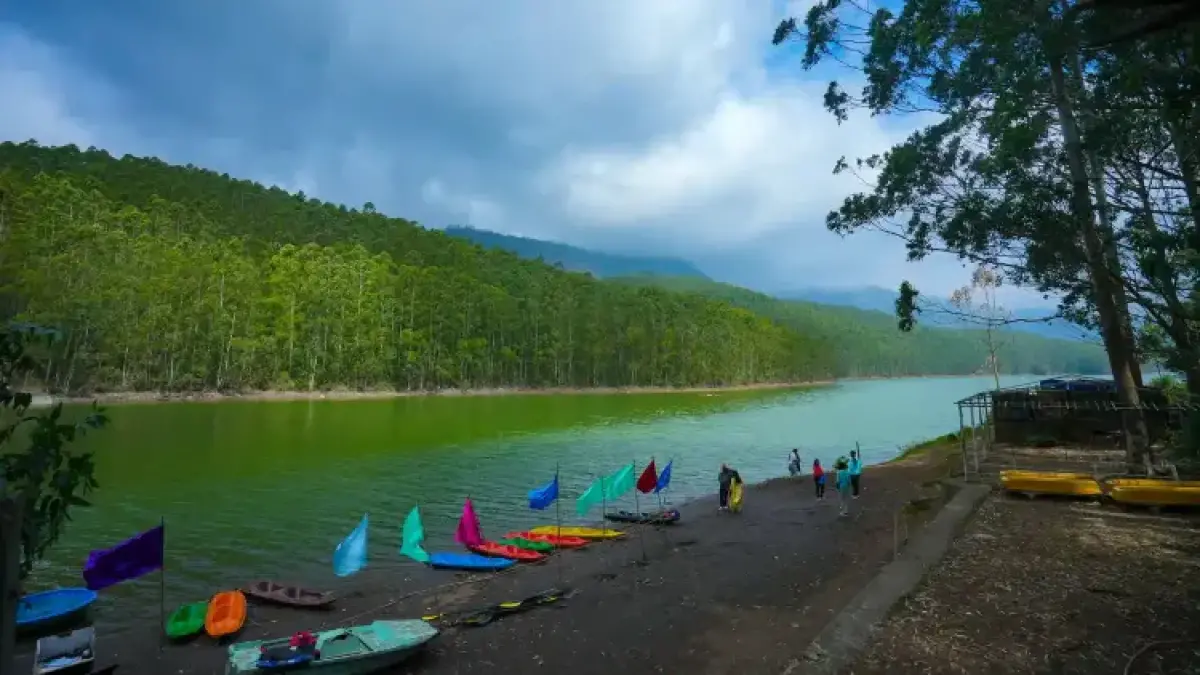
Enjoy pedal boating on the serene Mattupetty Lake, surrounded by tea gardens and mountains. The nearby Indo-Swiss Farm offers insights into high-altitude cattle farming.
Drive to Top Station, the highest point in Munnar at 1,700 meters, for spectacular views of the Tamil Nadu plains far below. This is where the Neelakurinji blooms most spectacularly during flowering years.
Munnar offers an escape from Kerala's tropical coast into a world of cool breezes, misty mornings, and landscapes that heal the soul. Whether you're trekking to remote peaks, drifting through tea estates, or simply breathing in the fresh mountain air from your resort balcony, Munnar delivers the peace and beauty that makes it Kerala's most treasured hill station.
Ready for Munnar? Browse our Munnar packages or contact our travel experts to plan your perfect hill station holiday.




Plan your trip during the best season to experience the best of this stunning destination
| Month | Best Time | Climate | Clothing | Festivals | Description |
|---|---|---|---|---|---|
| January | ⭐ Excellent | ❄️ Winter | Warm clothes for evenings/mornings, light layers for day | Thai Poosam, Feast of the Infant Jesus | Peak winter season; temperature can drop to zero, excellent for trekking, sightseeing, and watching the tea gardens in mist. |
| February | ⭐ Excellent | ❄️ Winter | Warm clothes for evenings, light layers for day | Continued pleasant weather with clear blue skies, perfect for photography and all outdoor activities like visiting Eravikulam National Park. | |
| March | 😊 Good | ☀️ Summer | Light cotton wears, jacket for early mornings | Maha Shivaratri, Temple festivals | Onset of summer; days are warm but the weather remains comfortable compared to other parts of India. Good for escaping the heat. |
| April | 😊 Good | ☀️ Summer | Light cottons, hat, sunglasses | Vishu (Kerala New Year) | Warmest month of the year; good for budget travelers as it is off-peak. Ideal for quiet resort stays and exploring the tea plantations. |
| May | 😊 Good | ☀️ Summer | Light cottons, light rain gear | Occasional pre-monsoon showers | Heat and humidity increase, but the hill station still offers a cooler climate than the plains. Offers good value and fewer crowds. |
| June | ⚠️ Avoid | ❄️ Winter | Waterproof clothing, umbrella, warm layers | Heavy rainfall starts; many outdoor activities are restricted. Best time for nature lovers who want to see Munnar at its greenest and for Ayurvedic treatments. | |
| July | ⚠️ Avoid | 🌧️ Monsoon | Waterproof clothing, sturdy footwear | Peak monsoon season with continuous heavy rain. Visibility is low. Not ideal for sightseeing but the waterfalls are at their best. | |
| August | 😊 Good | 🌧️ Monsoon | Light quick-dry clothes, umbrella | Onam Festival | Rains begin to subside, the landscape is lush and vibrant. Onam festivities provide a cultural experience, but outdoor activities can still be tricky. |
| September | 😊 Good | ❄️ Winter | Light layers, light rain gear | Post-monsoon period with pleasant, mild weather and vibrant green surroundings. Ideal for photography as the mist clears. | |
| October | ⭐ Excellent | ❄️ Winter | Light layers, jacket for evenings | Navratri, Deepavali | The onset of the winter season; the weather becomes delightful and perfect for trekking, honeymooners, and visiting the tea estates. |
| November | ⭐ Excellent | ❄️ Winter | Warm layers for morning/evening, light layers for day | Excellent weather continues, with cool temperatures and clear skies. Ideal for all outdoor excursions and wildlife spotting. | |
| December | ⭐ Excellent | ❄️ Winter | Heavy woollens for early mornings/evenings, light layers for day | Christmas, New Year celebrations | Peak winter season with cold nights and pleasant days. Perfect for a cozy holiday and experiencing the festive atmosphere. |

Experience the essence of Kerala in just 4 days with this perfectly curated tour covering Cochin's colonial heritage, Alleppey's enchanting backwaters aboard a traditional houseboat, and Kumarakom's tranquil bird sanctuary. Witness Kathakali dance performances, cruise through serene waterways, and immerse yourself in God's Own Country's natural beauty and cultural richness.

Discover Kerala's essence in 6 days through Cochin's colonial heritage, Alleppey's serene backwaters aboard a traditional houseboat, Kumarakom's bird sanctuary, and Thekkady's wildlife sanctuary. Experience Kathakali performances, spice plantations, elephant encounters, and witness the majestic beauty of God's Own Country.

Experience Kerala's complete beauty in 8 days covering Cochin's colonial charm, Alleppey's tranquil backwaters on a traditional houseboat, Kumarakom's bird sanctuary, Thekkady's wildlife and spice plantations, and Munnar's misty tea gardens. Includes Kathakali performances, elephant encounters, and breathtaking waterfalls in God's Own Country.

Experience the best of Kerala in 12 days – from the temple city of Thiruvananthapuram to the serene backwaters of Alleppey, misty hills of Munnar, and the colonial charm of Cochin. This comprehensive tour covers beaches, wildlife sanctuaries, spice plantations, houseboat stays, and cultural performances, offering an unforgettable journey through God's Own Country.